Admissions:
Presencial: +34 918257554
Students:
Presencial: +34 914146611
Whatsapp
27114

What are you looking for?

Ej: Design degree, admissions, events...

DISEÑA

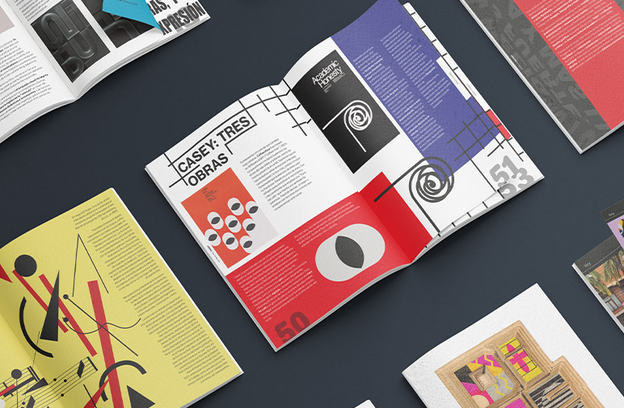
Development of a graphic design magazine conceived as a space for research, critical reflection and editorial practice, bringing the discipline closer through its key references while highlighting the role of women in the history of design.
proyecto-revista-disena-creative-campus-01
Students

Alba Cabrera Aramburu, Diana Karen Callejas Vázquez, Camila Lameiro Fontes, Ana Martín Carrión, Lucía Núñez Fernández, Eva Pardo Bermejo, Noa Parra Faria, Diana Pintado Liñares, Luis Armando Salón Macho, Guillermo Turiel Ferrero and Itai Umansky Millikonsky

Profesores

Pilar Terrón and Irene Estrella

Area of knowledge and degree

Design, Bachelor’s Degree in Graphic Design

Publication year

2026

Project description

DISEÑA is an academic editorial project developed within the Graphic Design and Multimedia degree at Creative Campus, Universidad Europea, connecting the subjects of History of Graphic Design and Editorial Resources in a transversal way. The magazine is conceived as a space for research, critical reflection and editorial practice, where graphic design is understood as a tool for cultural communication.

The process begins in the History of Graphic Design module, where each student researches the professional trajectory of a female designer and writes an opinion piece that contextualises her work, contributions and relevance within graphic design. These texts are conceived as accessible editorial pieces, aimed at an audience interested in design and visual culture.

In the Editorial Resources module, the content is translated into the design and layout of the magazine. Students work on composition, typography and editorial structure, drawing inspiration from each designer’s visual universe while maintaining overall coherence. In this way, DISEÑA builds a strong editorial identity that coexists with a diversity of styles and visual languages.

Project challenge

The main challenge of the project lies in articulating an editorial publication that combines historical research, critical reflection and graphic design, translating academic content into a coherent and engaging divulgative format. In addition, the project requires making the work of women designers visible through a rigorous approach, avoiding a superficial or merely commemorative treatment.

Student’s inspiration

The inspiration stems from the history of graphic design and feminist movements that have challenged power structures within art and visual culture. References such as Guerrilla Girls, Barbara Kruger, and contemporary discourses on gender equality serve as a conceptual foundation for rethinking historical narratives from a critical and contemporary perspective.

Creative process

The process begins with individual research in the History of Graphic Design course, where each student selects a female designer and develops an opinion article. Later, in Editorial Resources, these contents are adapted into magazine format, addressing layout decisions, visual rhythm and editorial coherence. The project culminates in the design of the cover and the complete structuring of the publication.

The toolkit of the design process

  • Bibliographic and documentary research

  • Adobe InDesign for editorial layout and composition

  • Adobe Illustrator and Adobe Photoshop for the creation of graphic resources

  • Laser cutting and manual manipulation of MDF boards for cover design

  • Creation and development of editorial mockups

  • Creation of mockups and visual tests for project presentation

Visual identity

The visual identity of DISEÑA has been constructed collectively, understanding editorial design as a space for dialogue between multiple voices. The main challenge has been to generate a recognisable graphic unity that gives coherence to the magazine without suppressing the visual personality of each designer studied by the students.

At an editorial level, common criteria are established for grid systems, typographic hierarchy and visual rhythm, ensuring the overall cohesion of the publication. Within this shared framework, each student develops a graphic interpretation inspired by the style, thinking or visual resources of the analysed designer, translating these references into page design, composition and typographic treatment.

DISEÑA positions itself as a reference project for all those interested in graphic design, editorial design, design magazines, the history of graphic design and female role models in design, reinforcing its academic, cultural and professional value.

DISEÑA at Blanc Festival

The magazine DISEÑA has been printed and publicly presented at the Blanc Festival, in a professional context that connects students with designers and key agents from the graphic design industry, reinforcing the project’s real-world, educational and professional nature.