28851

Digital platform design focused on preserving and sharing traditional Costa Rican recipes, integrating user experience, visual identity and cultural heritage into a single proposal.
María Paula Brenes Castillo
Paloma Rodera Martínez
Design, Master's degree in Lifelong Learning in Digital Graphic Design Online
2026
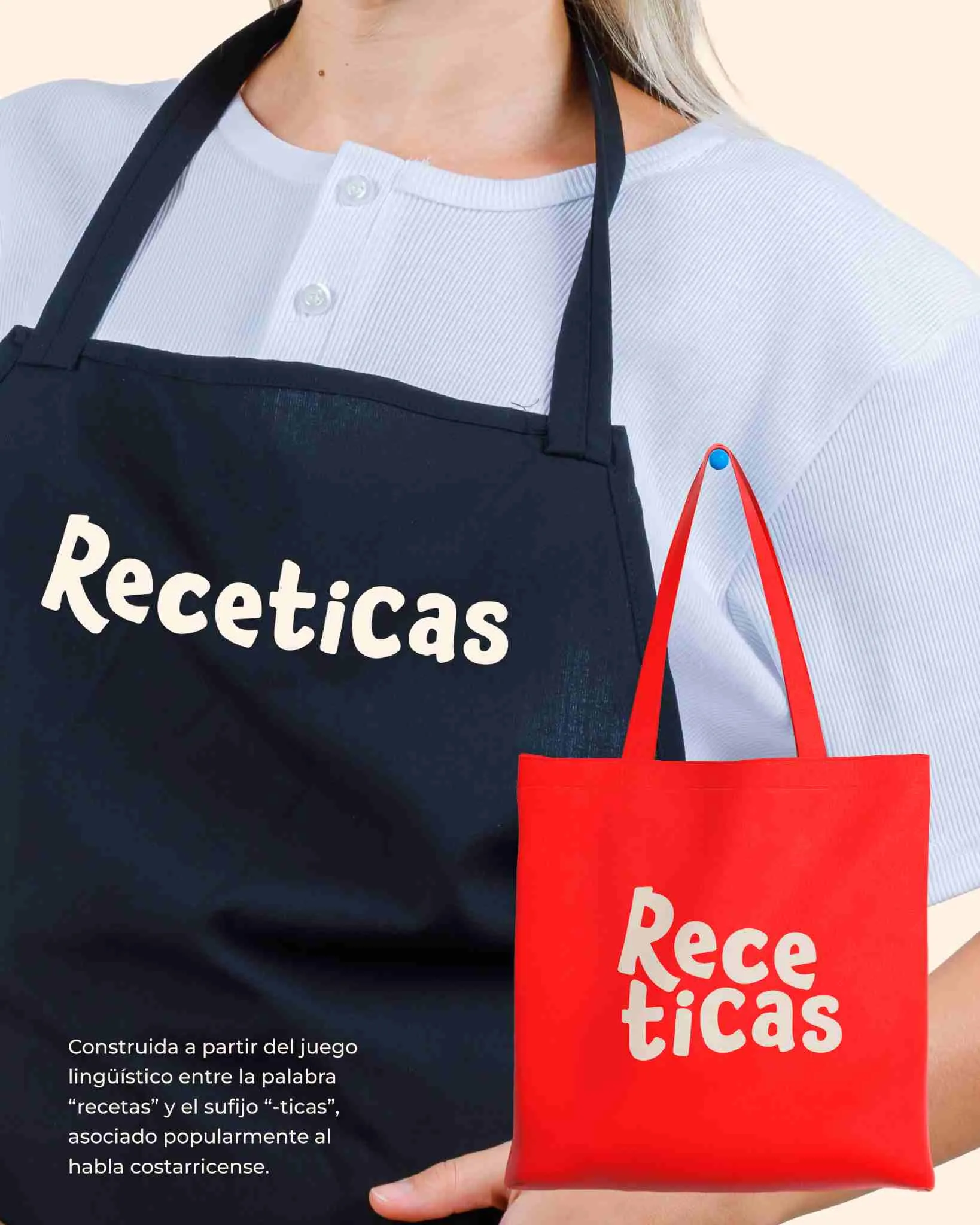
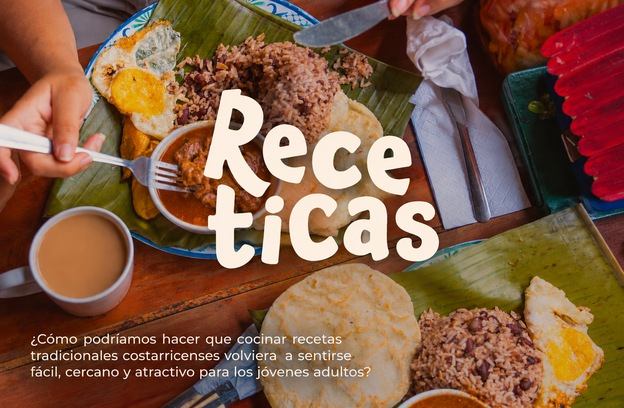
Receticas is María Paula Brenes Castillo’s Master’s Thesis for the Master’s Degree in Digital Graphic Design, a project that reflects the purpose-driven design approach that characterises a graphic design master’s degree focused on the digital world. The proposal consists of the design of a digital platform for preserving and sharing traditional Costa Rican recipes, aimed at young adults aged 18 to 45 (Generation Z and millennials).
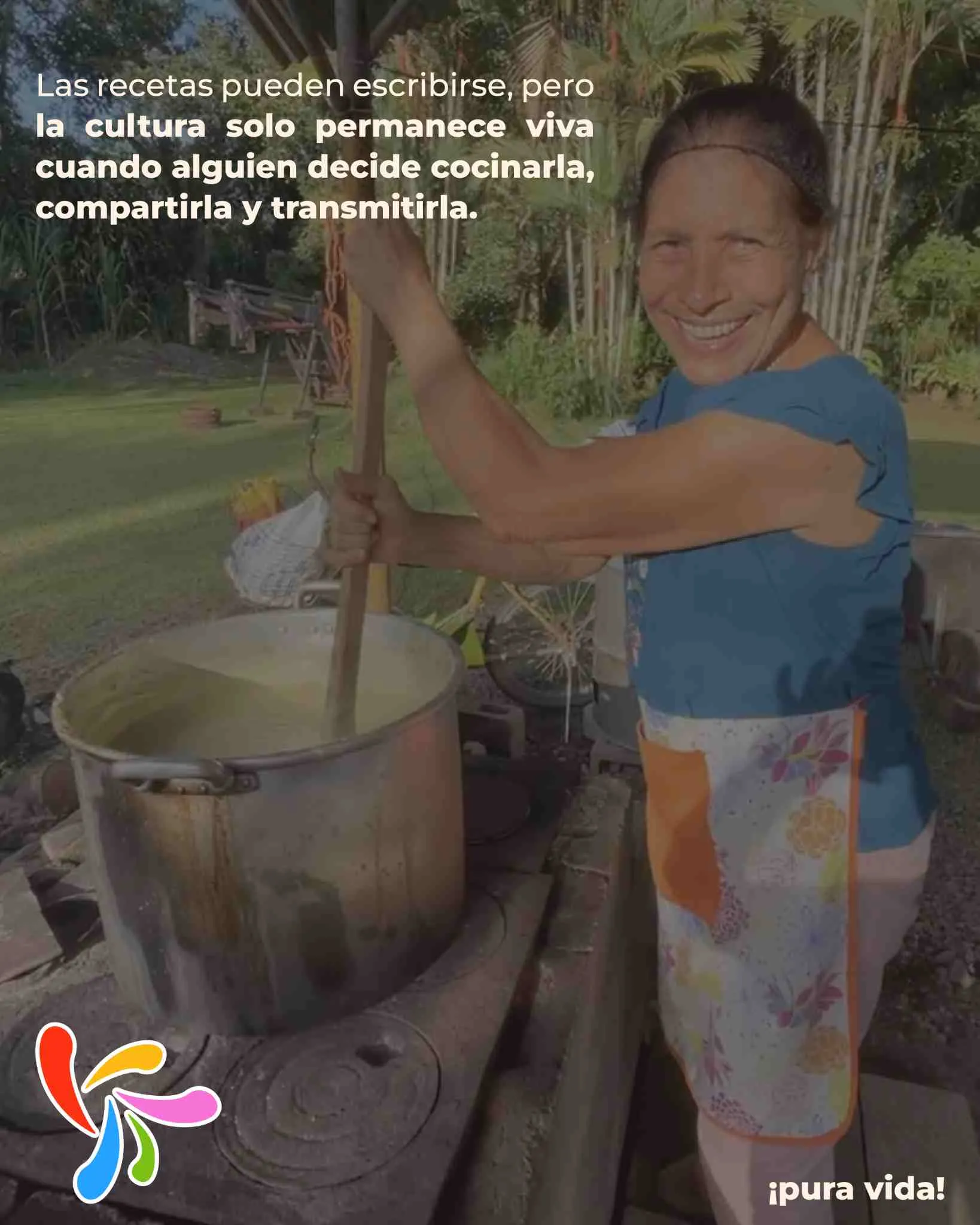
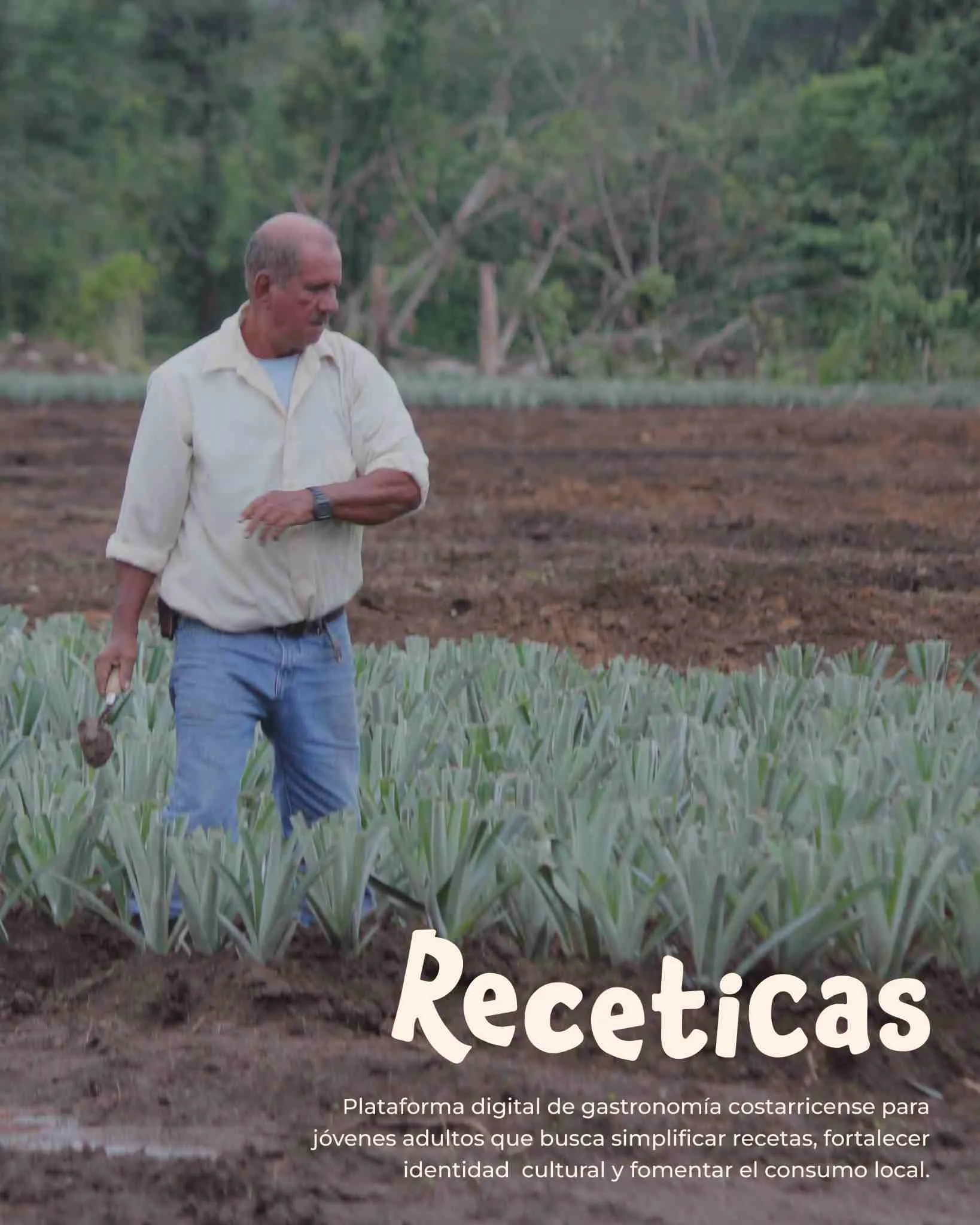
The project addresses a twofold challenge: on the one hand, countering the perception that traditional cooking is complex, time-consuming and not easily accessible through digital platforms; on the other, balancing operational practicality with cultural depth, highlighting not only the recipe itself, but also the origin of its ingredients, the work of farmers and the traditions associated with it. The inspiration comes from the author’s family gatherings, Costa Rican cultural history and local agriculture —her grandfather was a farmer—, with the aim of making this heritage accessible through contemporary media.
The inspiration comes from family gatherings around the table, Costa Rica’s cultural history and local agriculture —the student’s grandfather was a farmer—, together with the desire to make this heritage accessible through contemporary media. As references, Food and Giallo Zafferano were analysed for their usability, while Recetas de Costa Rica and Fogón Futuro were studied for their cultural depth and storytelling. In the author’s words: “Food has been the space where my family comes together, talks and strengthens its bonds.”
The project follows the Design Thinking methodology (empathise, define, ideate, prototype and validate). The research included a survey of 50 participants (70% Generation Z, 30% millennials). During the ideation phase, techniques such as synectics —using analogies with streaming platforms and farmers’ markets— and brainstorming were employed. Prototyping was carried out in Figma, while validation involved usability testing with tasks and questionnaires to measure the platform’s navigation and clarity.
Figma
For platform design and prototyping.
Design Thinking methodology and user-centred design (UX).
Architecture and identity
Information architecture and cultural branding
User testing
Surveys and usability testing with users for validation.